

Keeping the Past in the Present
Researching, preserving, and celebrating the Nottingham Black presence from the earliest time possible to the present day.
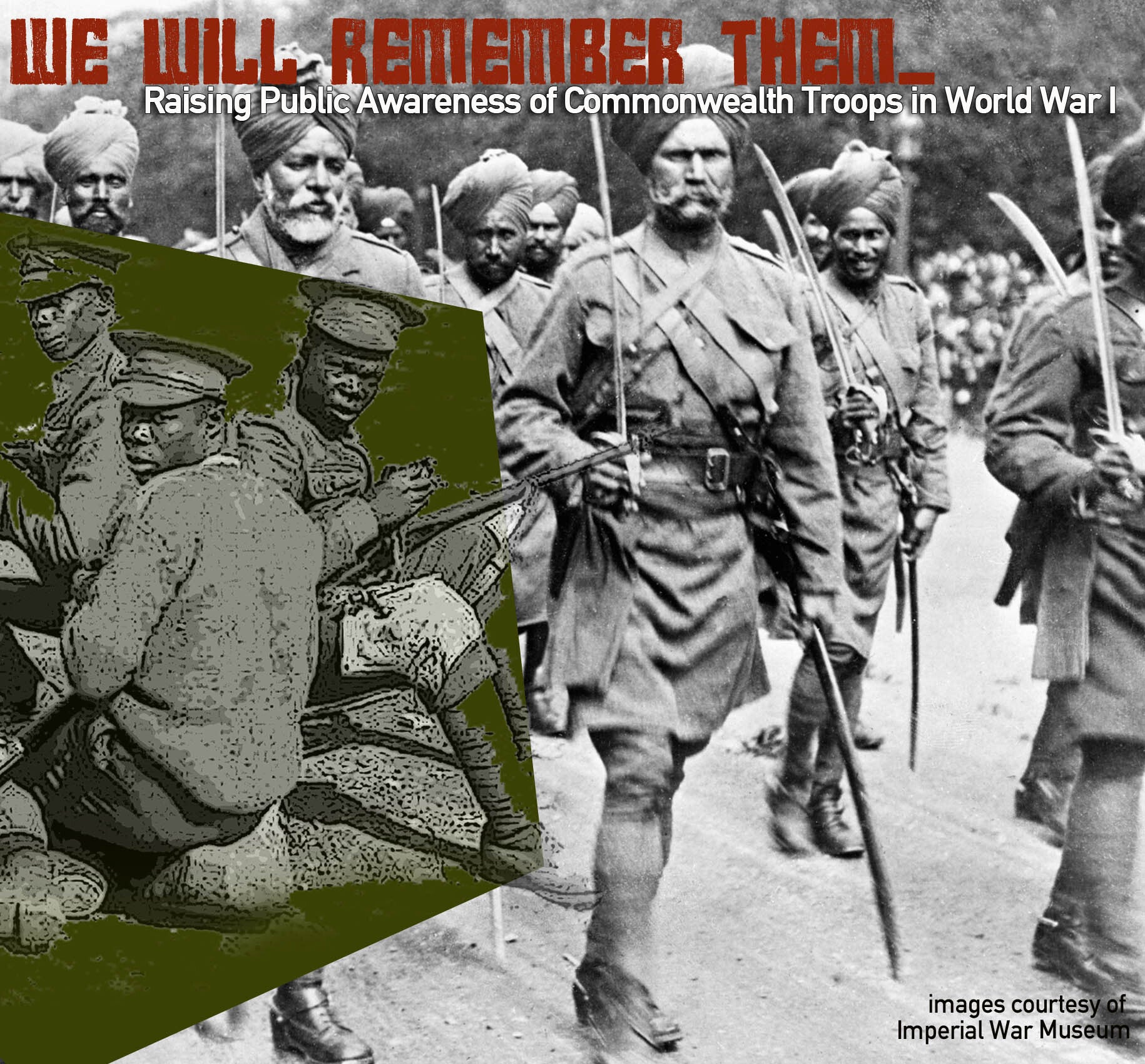
World War I - We Will Remember Them
2018 marked the centenary of WWI. Empire troops fought in some of the most infamous battles of the war, including Ypres and Passchendaele. The hidden histories of soldiers from Africa, the Caribbean and South Asia needed to be recovered and their stories told. Nottingham Black Archive (NBA) worked with Prof. Sharon Monteith of Nottingham Trent University and literature organisation Renaissance One, with funding from the Arts and Humanities Research Council (AHRC) Centre for Hidden Histories, to produce a touring exhibition commemorating forgotten Commonwealth troops.
The We Will Remember Them exhibition featured original artwork by Jerwood Prize winner Barbara Walker and Keith Piper, alongside the local narratives of Irfan Malik and Waple Fleming, and highlighted the contributions made by the Indians of Dulmial Village and the British West Indian Regiment.
On 2 September, the exhibition was launched at New Art Exchange, Nottingham. The event included talks by representatives from The National Caribbean Monument Charity, Dr Irfan Malik, Prof. Kurt Barling, Pilgrim Church Senior Minister Clive Foster, and NBA's founding director Dr Panya Banjoko, who shared the findings of local research. The launch also featured a parade of Caribbean Standards by WAWI.
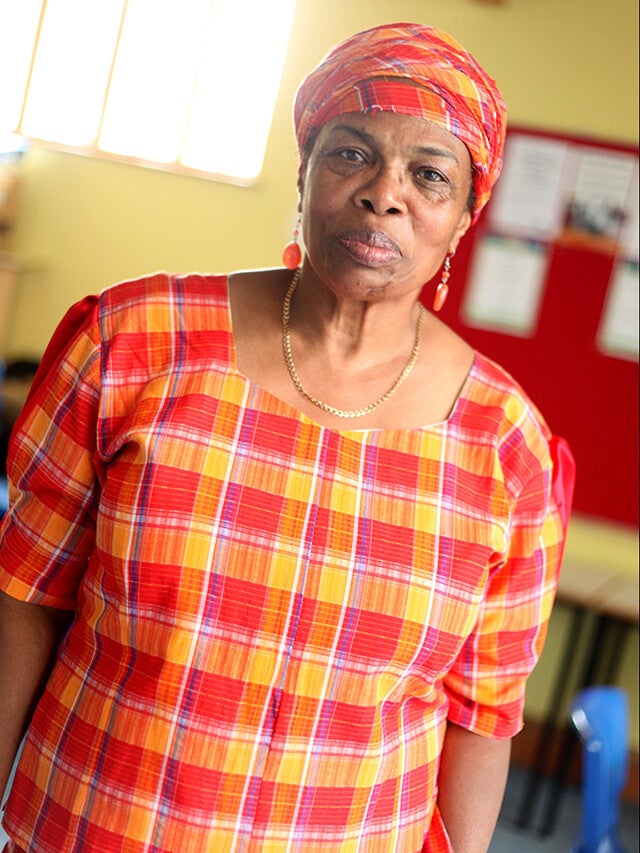
Local history, St Ann's Estate - Common Land Project.
“Times were hard. Most of the people had large families and some lived in two-up, two-down houses with the toilets outside, no inside baths, but yet if the conditions were right babies were delivered at home.” Tryphena Anderson – Midwife in St Ann's during the 1960s
Nottingham Black Archive (NBA) collaborated with local playwright Mufaro Makubika to engage members of the St Ann's community, including current residents and those with memories of the formation of the estate during the 1960s and 1970s. Participants included people born in the area, immigrants who settled and made their homes there, and residents with a strong interest in their community and its history.
Nine drop-in sessions were facilitated across St Ann's and Nottingham, including at the St Ann's Valley Centre, ACNA Centre, Local Studies Library, Stonebridge City Farm, New Art Exchange and the St Ann's Allotments. Through these sessions, NBA recorded 19 oral histories, including Councillor Merlita Bryan, who shared her experience of living and working in St Ann's during the 1960s and 1970s. The recorded testimonies were adapted into a dramatic performance by Mufaro Makubika and presented at Nottingham Playhouse in October 2012.
The collection consists of 19 audio recordings.
Image: Ethel Anderson 2013.
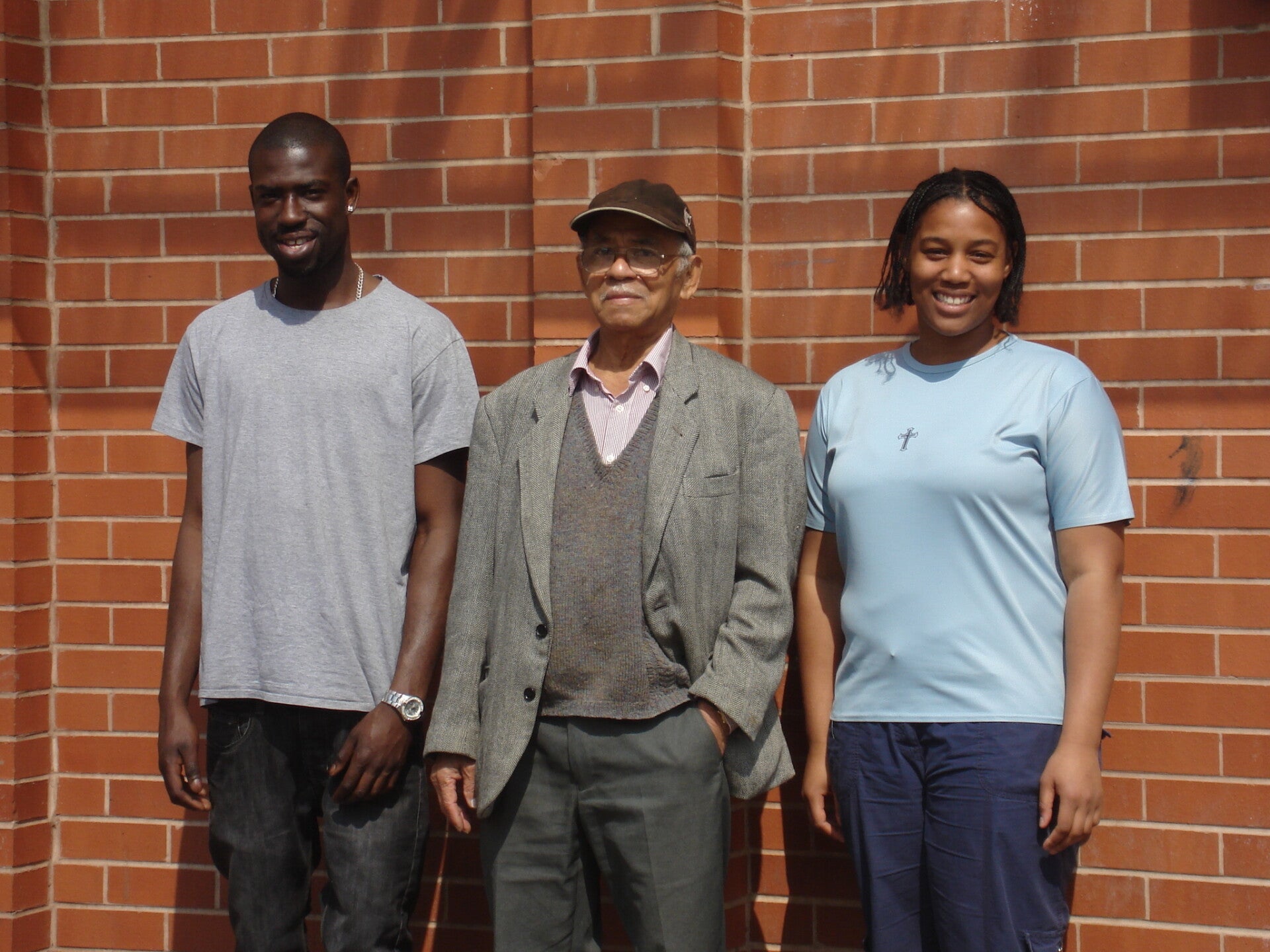
Intergenerational Working
In 2011, Nottingham Black Archive, in conjunction with the Afro-Caribbean National Artistic Centre (ACNA), embarked upon an Intergenerational Project. A group of 6 young people between 16-25 years and 12 local elders based at the ACNA Centre explored ways of bridging the generation gap.
The elders shared experiences of growing up as a child in the Caribbean and about life as an elder. The young people received training in conducting interviews and were tasked with recordeding the elders, as well as discussing thoughts on why there is a generation gap. The stories and discussions were made accessible to the wider community through two Community Dialogue events, which included a panel consisting of elders and youngers, at the ACNA Centre in May 2011 and May 2012.
The collection consists of: 12 audio recordings, transcripts, and digital photograpahs from 2011.
Image (L-R) Shadrack Pennant, Oswald George Powe, Shekinah Griffiths, 2011.
Employment and Industry - When We Worked at Raleigh
The history of Black people working at Raleigh Industries in Nottingham is one which demonstrates the power of community activism. Raleigh, established in 1887, is one of the world’s oldest and best-known bike brands. At its peak Raleigh produced 100,000 cycles, 250,000 hub gears, 15,000 motorcycles and 50,000 motorcycle gearboxes annually and despite the rising popularity of the car during the 1920s Raleigh become a world leader in bicycles, marketing its product to the Caribbean, Africa, and elsewhere.
Over time Raleigh would become one of the largest employers of Black people in Nottingham however this privilege would be one that the Black community would need to mobilise for politically. Oswald George Powe was one individual who challenged systemic racism in relation to employment at Raleigh Industries.
The collection consists of: 9 audio recording of Raleigh ex employees, 9 framed monochrome photographs by Vanley Burke, and a 3-panel colour pop-up exhibition.
Image: Govern Murray working at Raleigh.


Image: Louise Garvey, State Registered Nurse and Registered Psychiatric Nurse.
Post-War nurses from the Caribbean
When Britain was in the middle of post-war reconstruction and many hospitals were understaffed, the British government recruited directly from the Caribbean. Many people who arrived in England post-war also joined the National Health Service. The experiences of Black Nurses settling into a new country, juggling career demands while raising a family is an undertold story.
The collection consists of: An A4 size book (67 pages) of oral history interviews of Black nurses in Nottingham from 1950 - 1970s by Louise Garvey, 2 VHS recordings, 8-panel static display (poor condition) and a series of photographs.
World War II - Community Capsule
The Community capsule – World War II project documented the experiences of Nottingham based African Caribbean men and women during WWII, recording how they were treated during the war and post war era, including what society was like for them and their families at that point in time.
A partnership project between Nottingham Black Archive and Nottingham Photographers Hub, funded by Heritage Lottery Fund. It covered the war period 1939-1945 and up to 10 years after (to 1955) and includes servicemen’s testimonies of fighting during the War and rebuilding their lives afterwards.
The Collection consists of: Photographs, 11 oral history testimonies from ex-servicemen, and their families, WWII ephemera.
Resources include: A Static 3-panel pop-up exhibition, No More Tears For me My Mother, WWII book and DVD, and loans boxes for children and adults containing objects and artefacts.
Image: Oswald George Powe 1944.

Post-War Migration - Journeys to Nottingham
Launched in October 2012, Journeys to Nottingham is a collection of recorded oral histories from the first generation of African and Caribbean people who settled in Nottingham from 1945 to the 1970s.
This ongoing project highlights why people chose Nottingham as a destination, what they encountered when they arrived in the city and why they decided to settle with their families in the City.
The collection consists of: a varied selection of photographs, oral history recordings, and a Journeys to Nottingham publication.
Image: Right- Pitman Browne, Below Winston Murphy.


Periodicals and Journals
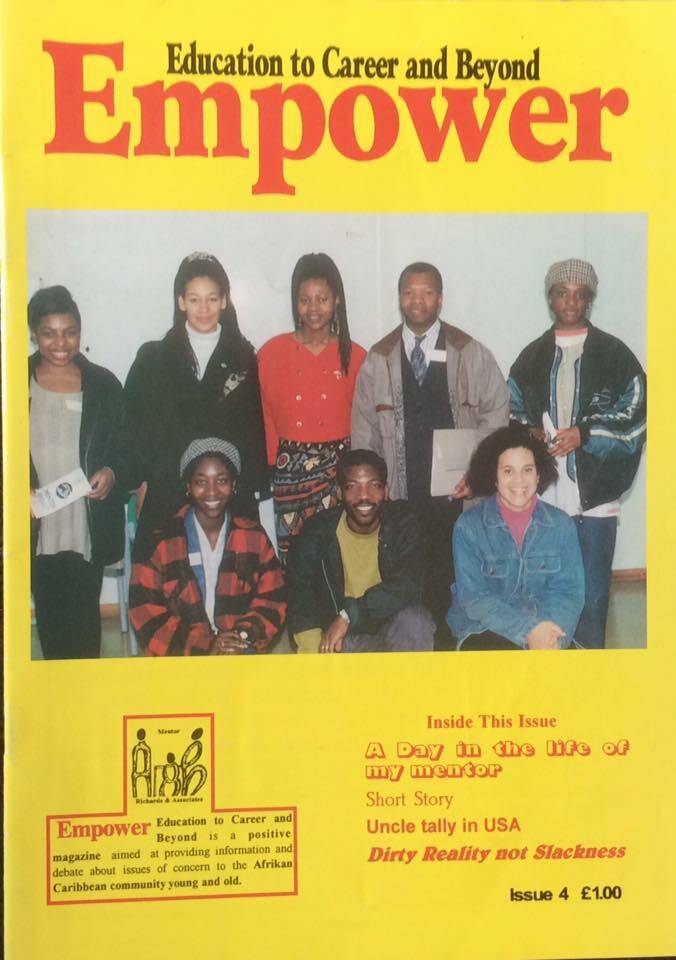
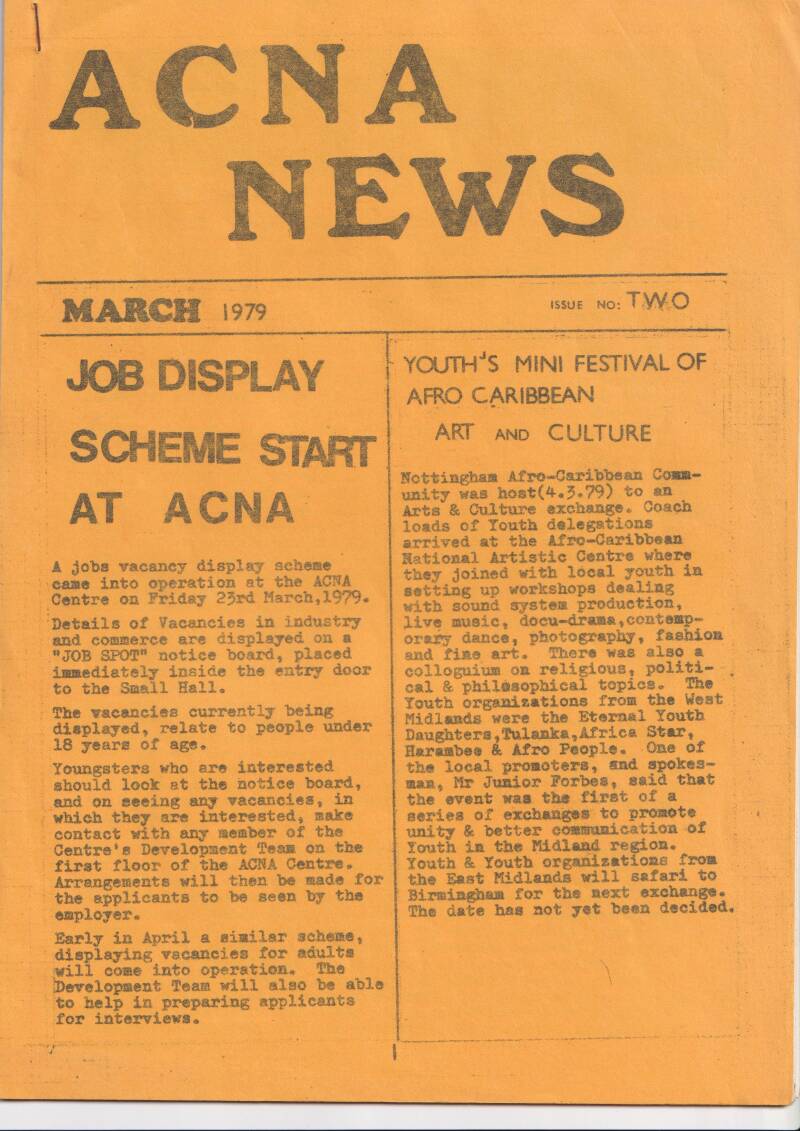
Nottingham Black Archive holds a rich and unique collection of journals, periodicals and publications published in Nottingham contact us for a list of titles.
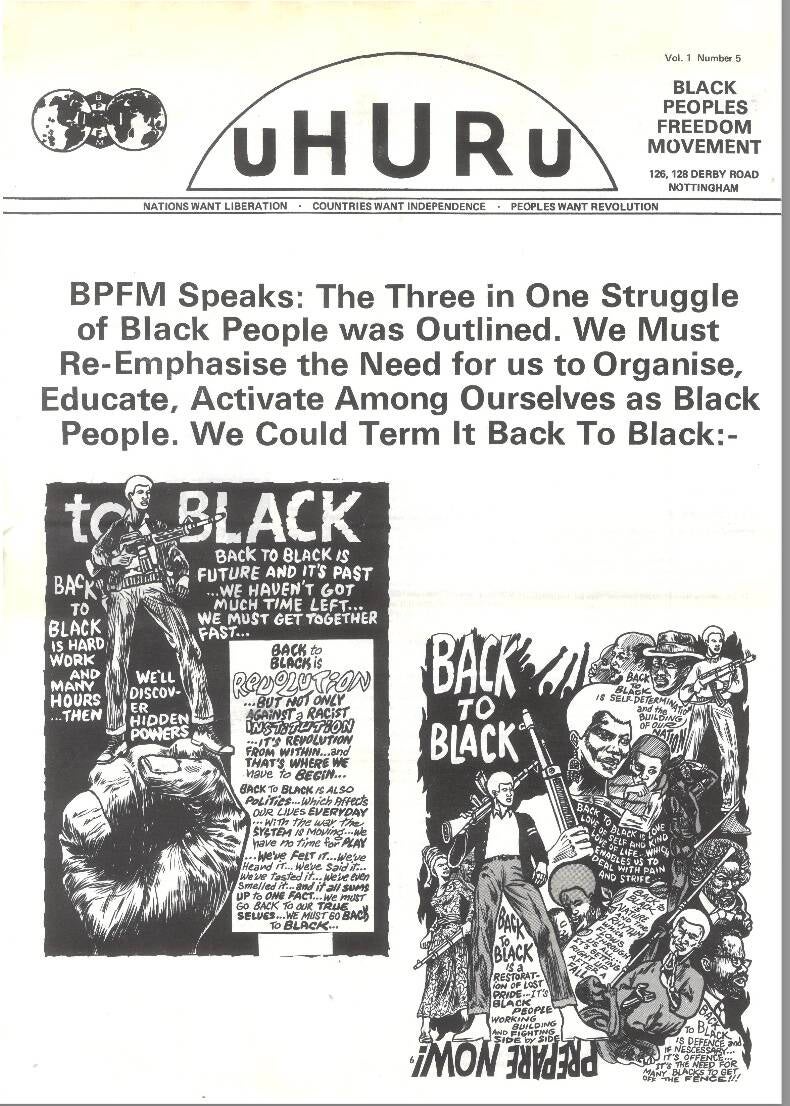
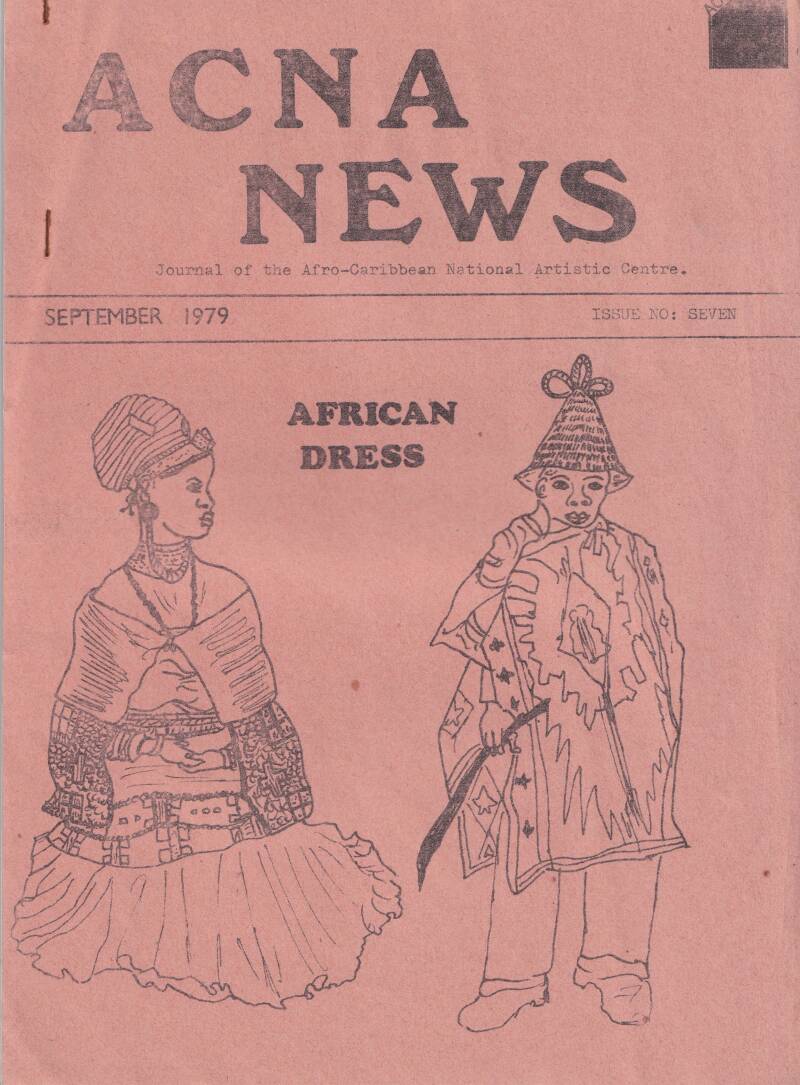
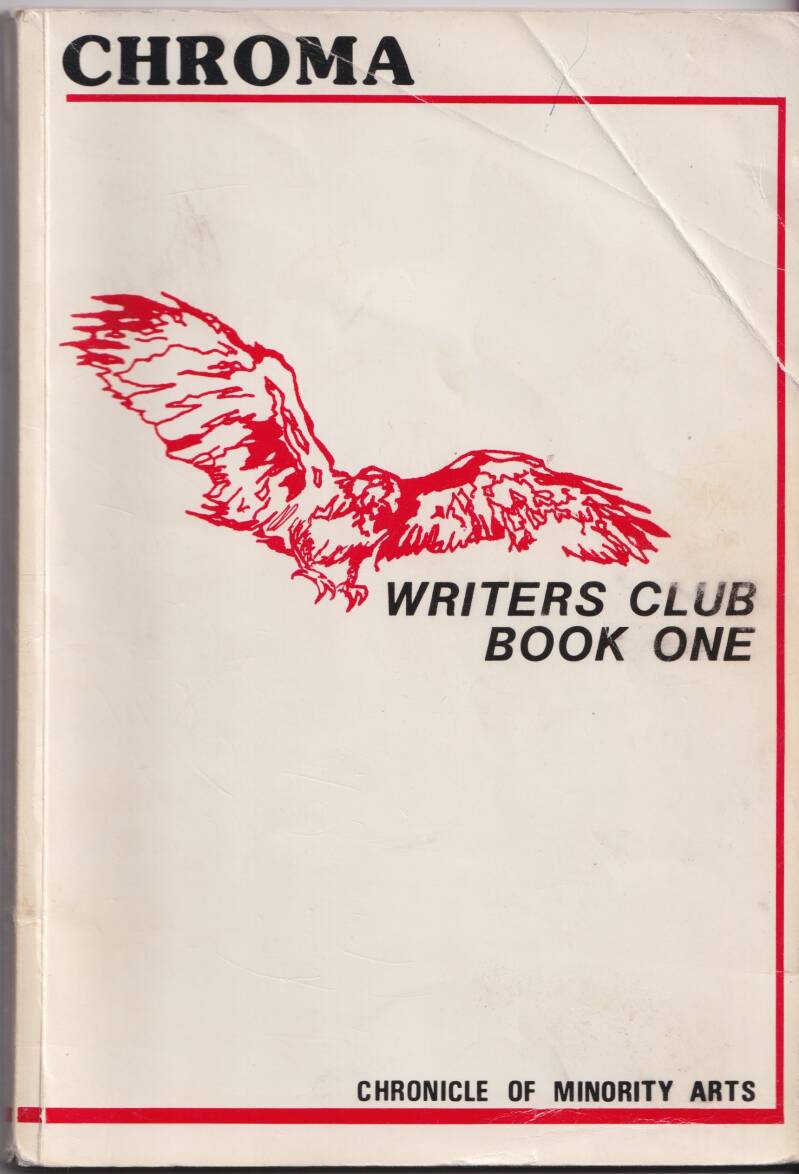
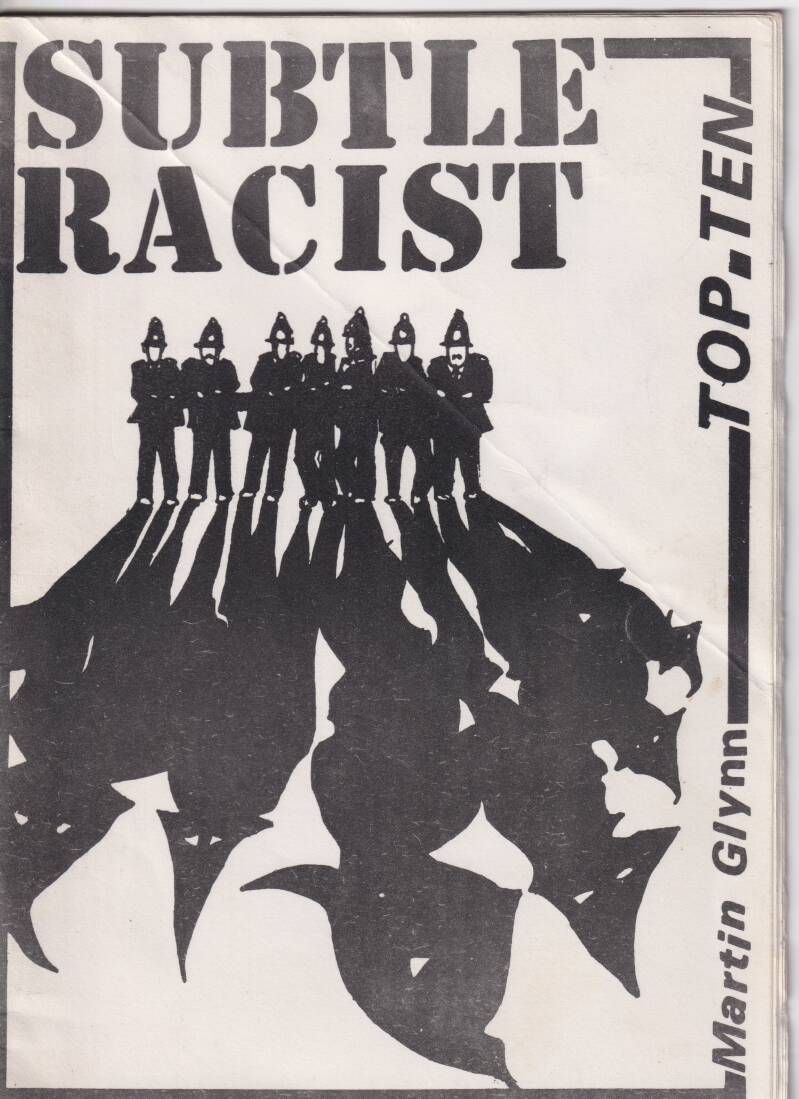
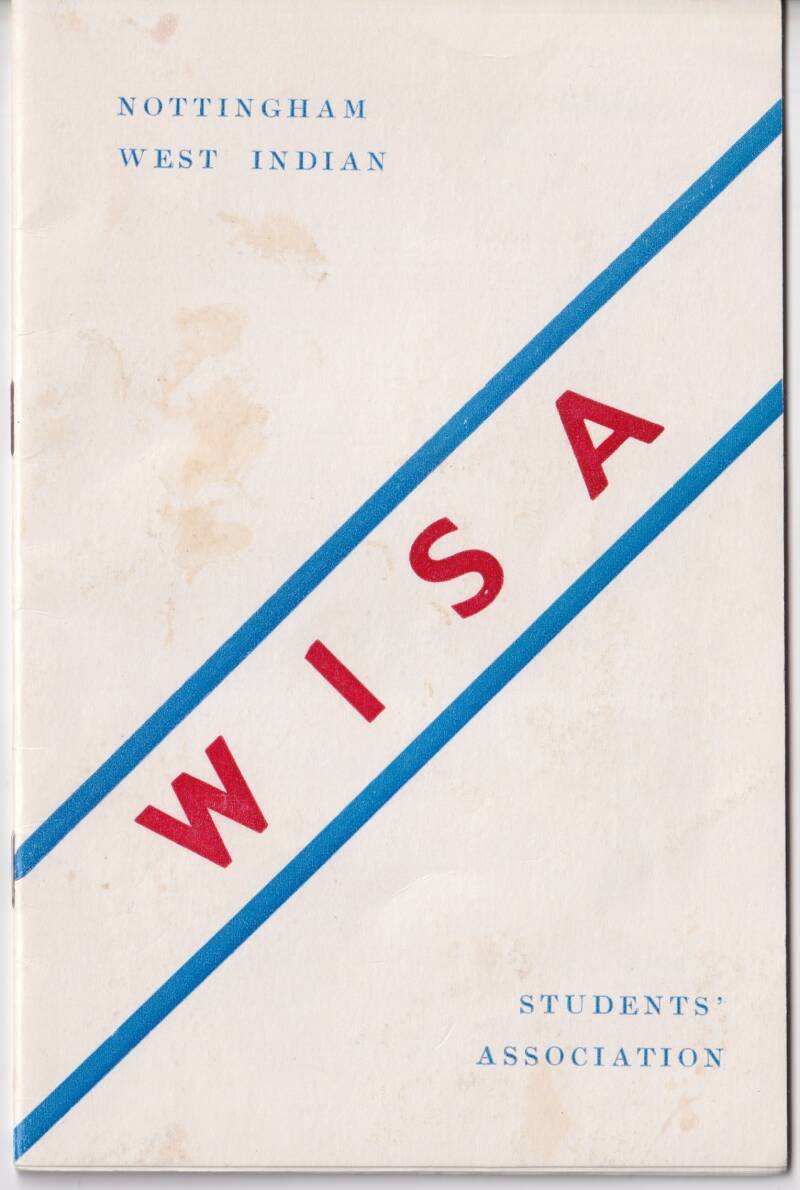
Community Organising
Nottingham Black Archive hold a significant collection of records created by community organisations active within the city during the 1960s and 1970s.
These records document the activities of local associations, voluntary groups, campaign movements, and grassroots initiatives, providing valuable evidence of civic engagement and social change during this period.
As primary historical sources, they offer researchers, students, and members of the general public an important resource for exploring the development of the city's communities and the individuals and organisations that contributed to its social and cultural history.
Organisations include: The ACFF Centre, WISA, ACNA, Black People's Freedom Movement, JIPAC, WINA. Sugar Cane Club,
Pictured: Arabelle Smith, instrumental in the setting up of the ACFF Centre.

"Brilliant work and effort from all members of the Nottingham Black Archive team. Keep up the good work."
Ahinee Mensah